
Asheville Resident Lookup Records
An official record gives a limited, useful fact. The Buncombe property systems can show a recorded owner, parcel, situs address, and tax mailing address, but a mailing address is not proof of present residence. The state voter system can show registration information, not a continuous residence history. Court results place a person in a case, and a vital record may document an event only when the access rules allow it. Treat each as source-specific evidence, then compare dates and spelling before calling two records a match.
| Record | What It Confirms | Where | Access |
|---|---|---|---|
| Tax or parcel record | Recorded owner, parcel, situs, or tax mailing detail | Buncombe Tax Lookup | Online, Land Records counter, or request form |
| Voter record | Registration status, county, precinct, and public voter history | North Carolina Voter Search | Public fields only under state law |
| Court docket | Party role, case activity, and disposition information | North Carolina eCourts Portal | Public docket, Clerk terminal, or certified route |
| Vital index or copy | Eligible birth, death, marriage, or divorce information | Buncombe county vital route | Index and copy rules differ |
| Historical source | Earlier name, household, address, or obituary clue | Library and archive collections | Library, archives, and scans |
Begin with the public voter search when the question concerns registration. Use tax or deed records for a property relationship, not an occupancy conclusion. A court name check works best after narrowing by county and date. For an older person, a directory, newspaper, cemetery, or archive source can supply the year and name form needed to test a modern index. The county offices, the library, and the State Archives are alternatives when a web result is unclear or a record never appeared online.
Asheville Voter Lookup Fields
The North Carolina Voter Search requires a first and last name. A middle initial, year of birth, and county can narrow a common name, and the status controls include Registered plus Removed or Denied. A result may show county, registration status, jurisdictions, polling place, a sample-ballot link where available, absentee information, and voting history. Voting history reports participation and method, not a person’s candidate choices.
Registration needs careful reading. The state notes that records can be active, inactive, removed, or denied, and that maintenance changes records over time. Its public file excludes dates of birth, Social Security numbers, and driver-license or DMV numbers. The county elections office can address a particular registration or file-format question, while NCSBE defines statewide fields. Keep the result date, the county, and the status rather than copying sensitive details.
A current-file screenshot from the NCSBE voter-registration data page shows the state’s official download route.
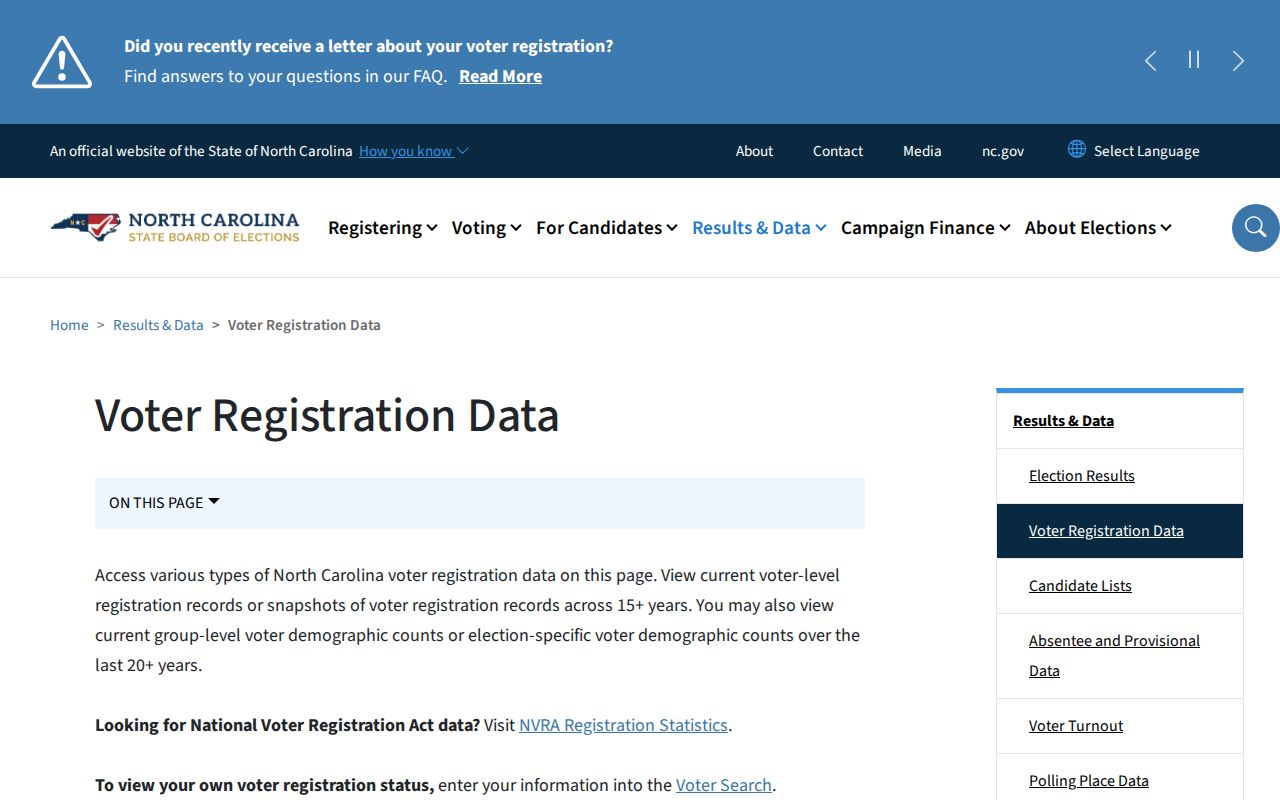
The data files are updated weekly on Sunday, so a saved file should always travel with its source date rather than being treated as a permanent identity record.
The public lookup has its own name-and-status interface at the official voter lookup.
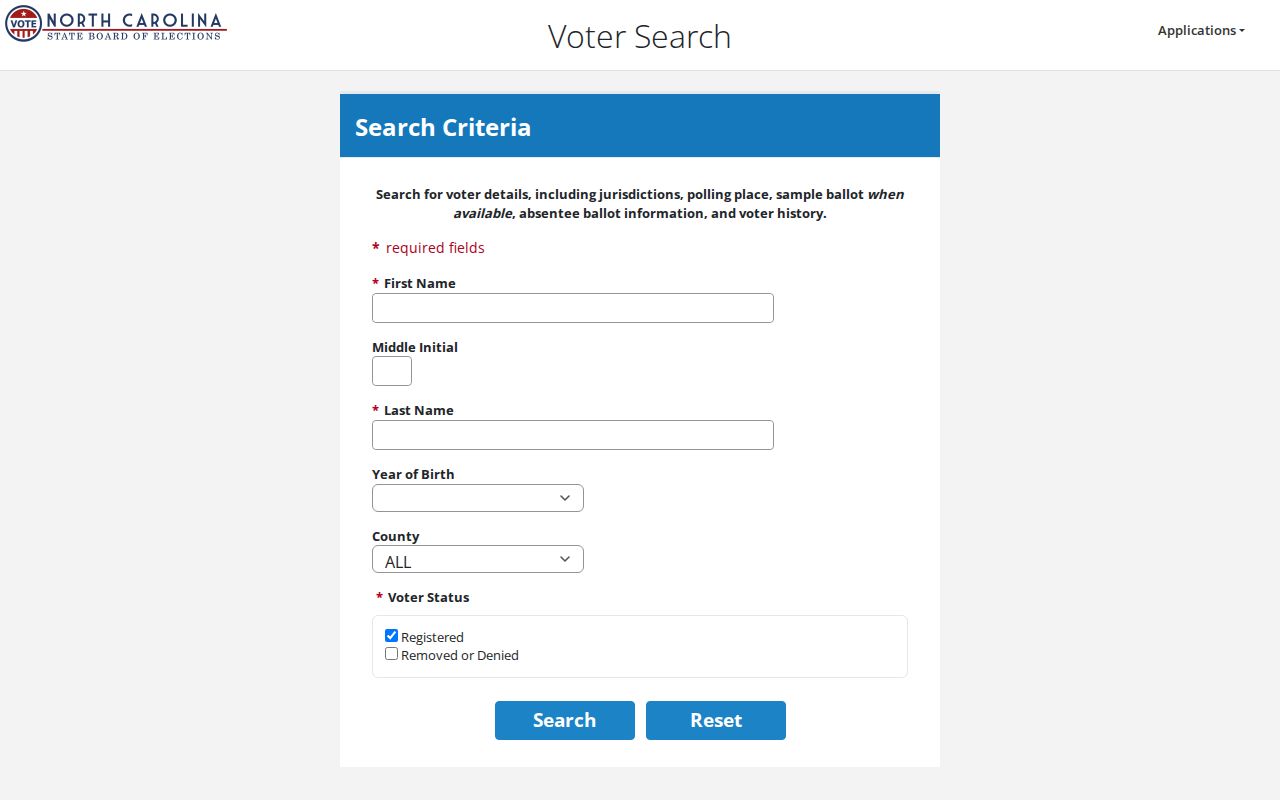
Use the optional county and year controls to distinguish like-named people, then seek a second, independent record before reaching any conclusion.
Narrowing Asheville Court Name Matches
The North Carolina eCourts Portal is a statewide docket tool. Smart Search accepts a party name or case number. Advanced Search can further limit a query by business name, case number, party name, attorney or bar number, county or location, case type, and date fields. For a common name, use Buncombe County and a realistic filing range before reading the party role, filing date, events, disposition, or document links.
Record the case number, county or location, case type, filing date, current status, named role, event history, disposition or judgment date, and any confidentiality label. A docket is the court’s case activity record. It is not a finding about a person’s character, current circumstances, or the final outcome unless the displayed disposition supports that narrow statement. A name match needs support from dates, address history, case facts, or another source. Pending allegations are not adjudicated facts.
The eCourts portal provides public docket information rather than the official certified court record.
For a file that is unclear, restricted, or needs certification, use the Buncombe County Clerk of Superior Court at the courthouse rather than treating a portal screen as final.
Verifying an Asheville Resident Lookup
Use a sequence that leaves a trail another person can repeat. Preserve initials, alternate spellings, and the original form of a historical name. If an address is available, check whether the date fits the record. A result should be described as a voter registration result, recorded owner, directory entry, or court party, not as an unsupported statement about where a person lives. The Register of Deeds name index can help confirm a property relationship: search last or firm name, first name, side, name type, index type, date range, and sort options, then inspect the book, page, and image.
- Write down the full name, known year, and known place without normalizing away initials or spelling variants.
- Check the NCSBE name search and retain only the county, precinct, status, and source date that help distinguish a possible match.
- Search the Buncombe Register of Deeds name index for grantor or grantee roles, then review the referenced book, page, and document image.
- Run eCourts with Buncombe and date filters, read the party role and disposition, and compare a second independent source before reporting a match.
- Docket
- A court’s running case record, including parties, filings, hearings, events, and a disposition when one is entered.
- Index versus image
- An index lists searchable fields such as names or dates. An image is the scanned record itself, which may be separate, incomplete, or subject to access limits.
- Certified copy
- A copy issued and authenticated by the responsible custodian for uses that require official certification.
Grantor and grantee describe roles in a recorded transaction. They do not establish current residence. Likewise, a tax mailing address, a directory entry, a voter record, and a court-party listing are different kinds of evidence. The Register of Deeds describes a collection reaching as early as the 1700s, yet an inspected CRP book-and-page index showed a 1995 through 2026 range. Online coverage varies by index, so older work may require the search room, Land Records staff, or an archive route.
Note: Record the source URL, search date, result wording, and unresolved conflict before treating an Asheville resident lookup as a possible match.
Vital Copies for an Asheville Resident Lookup
Vital records require a different route. The Buncombe marriage request portal asks for the marriage date, each spouse’s full legal name, requester details, relationship, quantity, certified-copy choice, and payment. County materials say certificate images are not freely viewable online, even though an index may be available. For birth, death, marriage, and divorce questions, a result or an index is not interchangeable with an actual certificate.
Under G.S. 130A-93, certified copies are limited to specified family relationships, authorized representatives, and people who show a legal or property right. Uncertified copies or abstracts are generally available subject to statutory exceptions. The Buncombe county fee is $10 for a certified birth, death, or marriage copy and the county form lists $0.25 for a non-certified copy. G.S. 130A-99 governs the county Register of Deeds’ preserved copies and indexes.
The county marriage-certificate request is the documented online route for an eligible request.
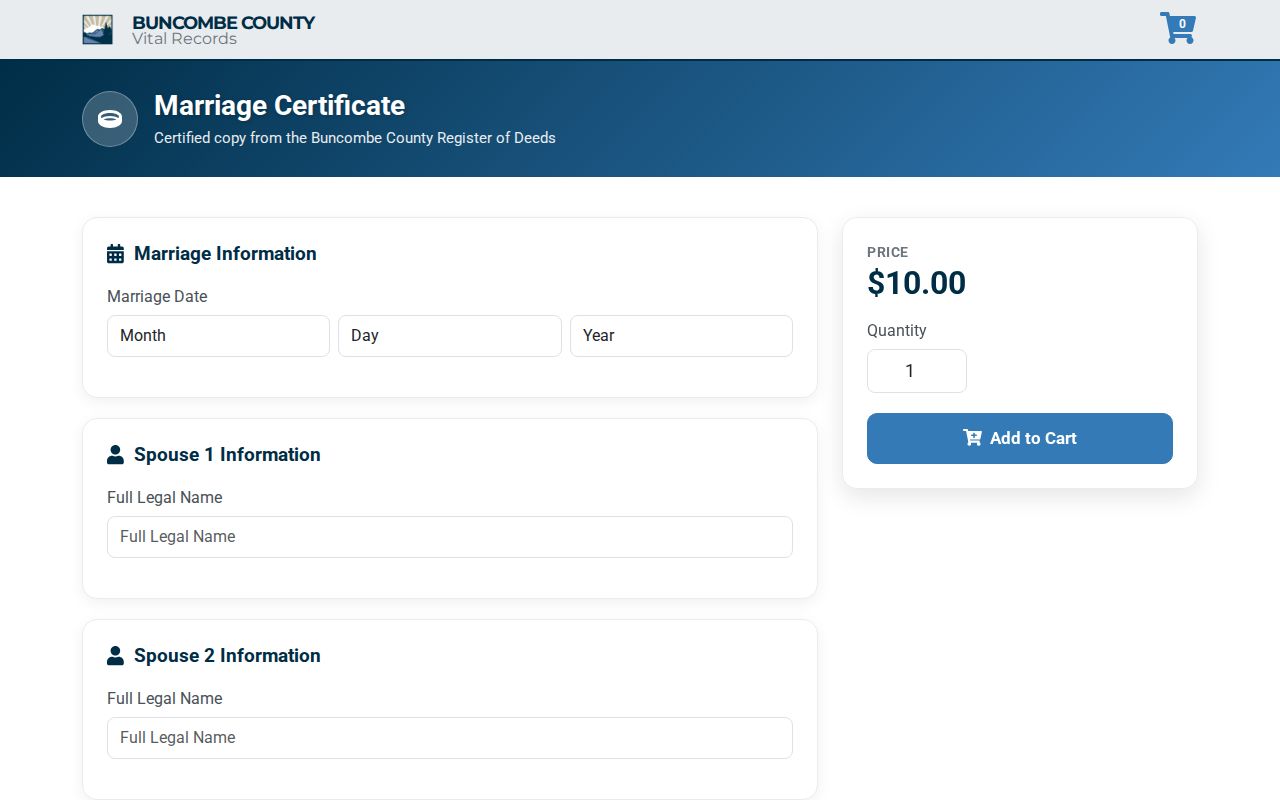
Other access channels are the Register of Deeds counter, mail or form requests, email to register@buncombenc.gov, fax at 828-250-4333, and the state Vital Records process. Adoption records have separate confidentiality rules; no official current adoption-registry route was verified here, so a vital index should never be used to work around those protections.
Asheville Historical Resident Matches
For an older name, place and year matter as much as the spelling. Pack Memorial Library’s North Carolina Room and other institutional collections can supply city directories, maps, newspapers, cemetery, and estate clues. Preserve the printed spelling, initials, address, spouse or household notation, and page reference. OCR can misread names and addresses, so inspect the image rather than relying only on a search snippet.
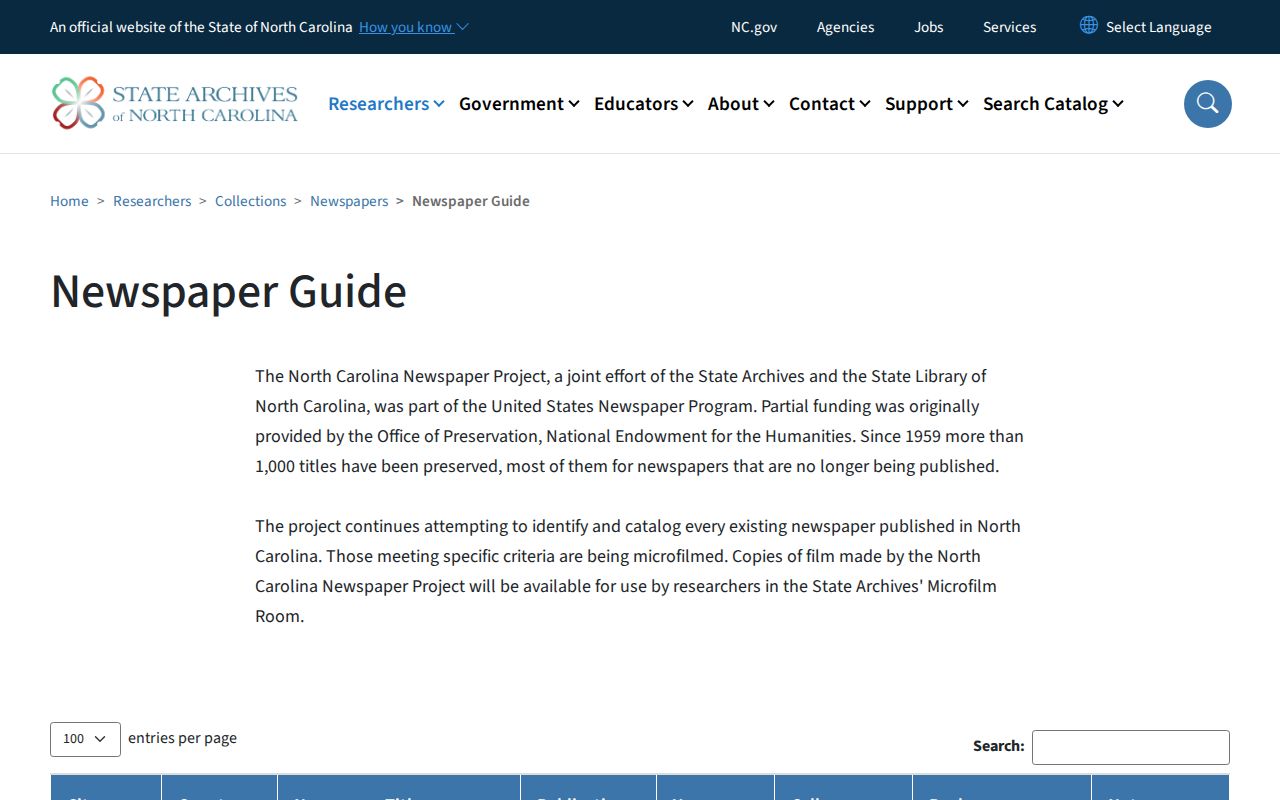
The newspaper guide identifies historical Asheville titles and runs, including examples from the Asheville Register, Asheville News, Asheville Spectator, and Asheville Times. It is a holdings guide, not a complete obituary index. A cemetery or obituary clue can support a death date or relationship only after confirmation through the appropriate source. The 1865 courthouse fire also means an early court or estate record may be missing, reconstructed, or kept in another series.
The North Carolina Archives newspaper guide is a useful starting point for the historical fallback chain.
For a full historical address trail, the Asheville city directory collections provide the specialized directory context before a modern record is used as corroboration.
When an Asheville Resident Lookup Finds Nothing
A no-result search is a result about the system searched, not proof that a person never had a record. Court portals can omit sealed, expunged, juvenile, adoption, or other confidential matters. A vital index may not expose an image or a record that needs an eligible requester. Pre-digital municipal files, early county books, and unindexed materials can require a counter, phone call, library visit, or archive request. A voter record can also be inactive, removed, denied, or protected under the applicable law.
Use the documented fallback route. The Register of Deeds public search room is at 205 College Street. The Clerk and courthouse are at 60 Court Plaza, where public-access computers provide free non-certified self-service searching; a certified single-county criminal court search through the Clerk uses form AOC-CR-314 and costs $25. The Board of Elections is the county route for registration questions. For an existing City record, use the Asheville public-records request process and identify the department, record type, date range, and preferred electronic format.
North Carolina’s Public Records Act, N.C. Gen. Stat. Chapter 132, permits inspection of existing public records subject to specific exemptions. Section 132-6 requires access as promptly as possible but does not set one universal deadline, and §132-6.2 permits actual reproduction and certain special-service charges. Ask for the records searched and the exemption cited when a request cannot be fulfilled as made.
Lawful Limits for Asheville Resident Lookup
North Carolina makes many records available while protecting important fields and people. N.C.G.S. 163-82.10 protects voter dates of birth, Social Security numbers, driver-license or DMV numbers, and qualifying Address Confidentiality Program information. The North Carolina Address Confidentiality Program can provide a substitute address and mail forwarding for qualifying survivors and household members. It does not erase recorded deeds or every historical record, and name or precinct information must never be used to reverse-engineer a protected address.
Do not republish full dates of birth, account information, protected addresses, phone numbers, or private contact details. A correction belongs with the agency that owns the field: identify the error, provide supporting documentation, and ask for that custodian’s correction process. No resident result should be taken to mean that sealed, expunged, juvenile, unindexed, or otherwise restricted material does not exist.
Lawful use. Use official records for personal, lawful research and keep the minimum necessary details. Stalking, harassment, intimidation, and misuse of protected address information can violate North Carolina law.